Haus am Zentrum, Berlin
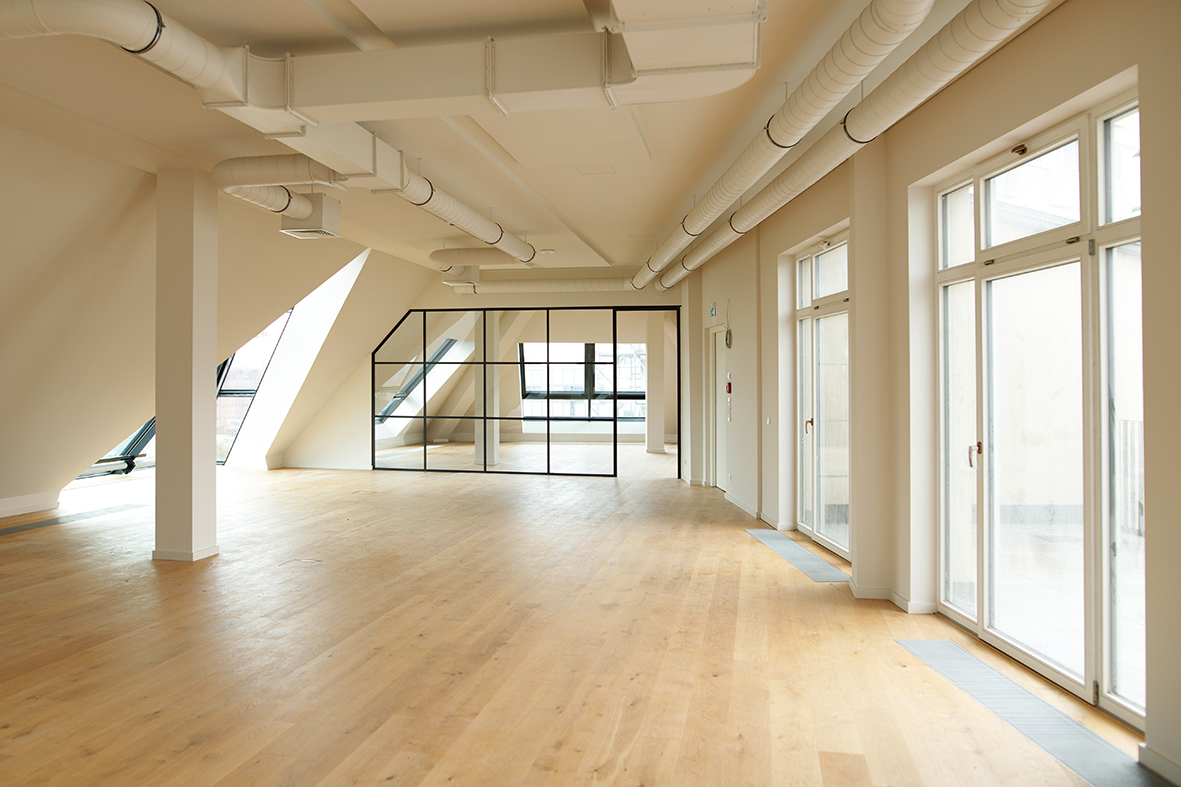
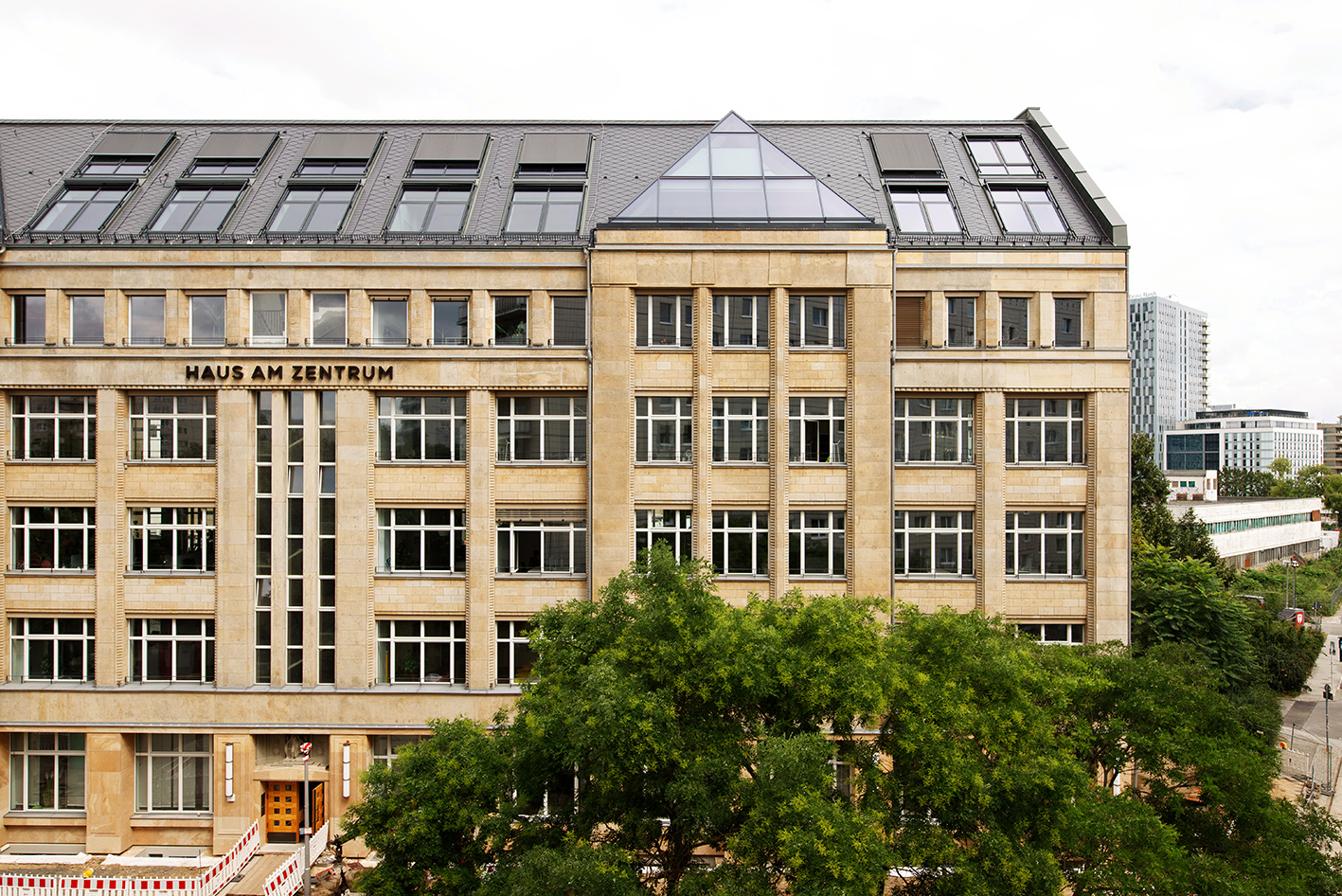
Originally constructed in 1913 and listed as a protected historic building, the former Haus der Gesundheit (now Haus am Zentrum) in Berlin Mitte has been transformed through an extensive refurbishment and modernisation programme.
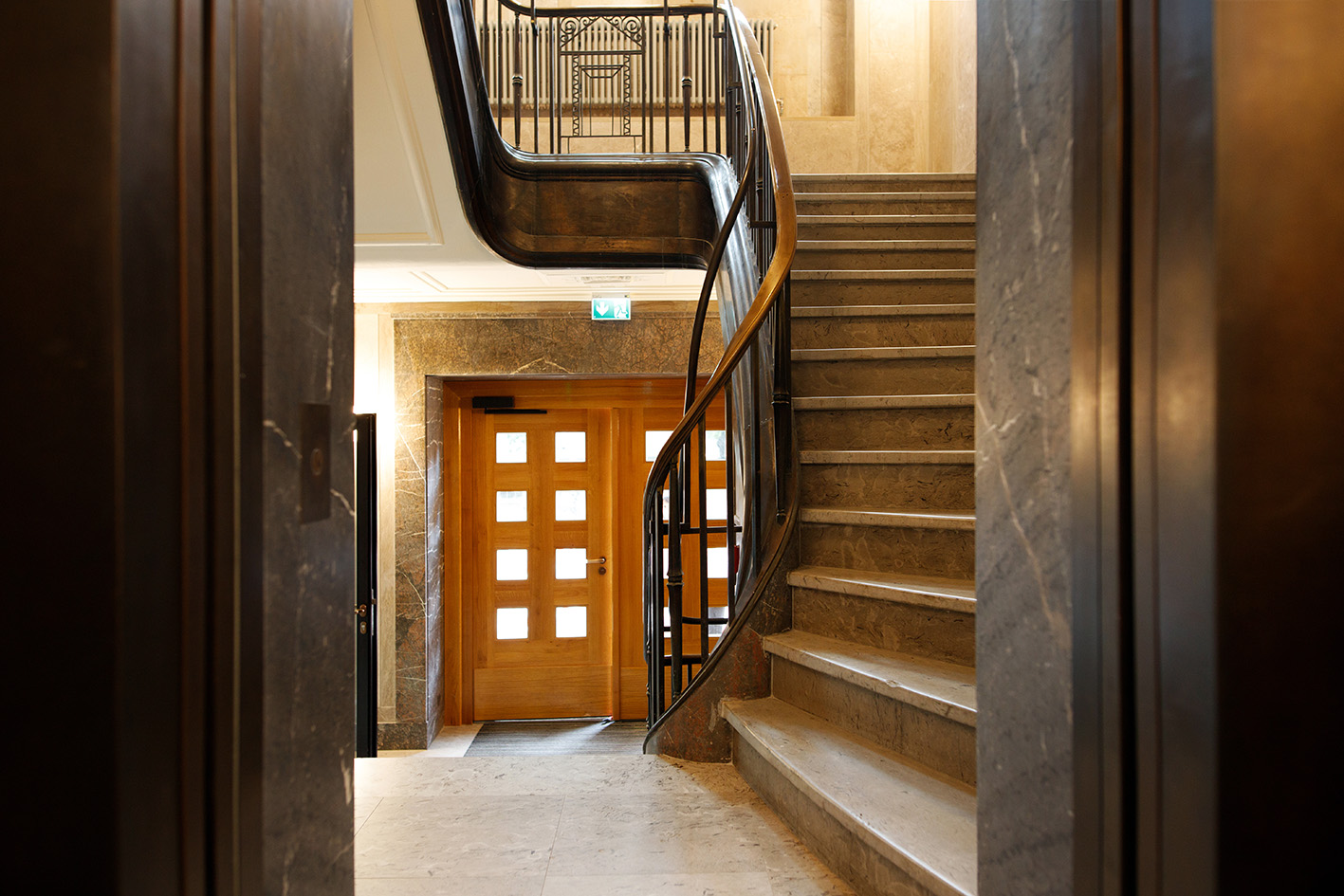
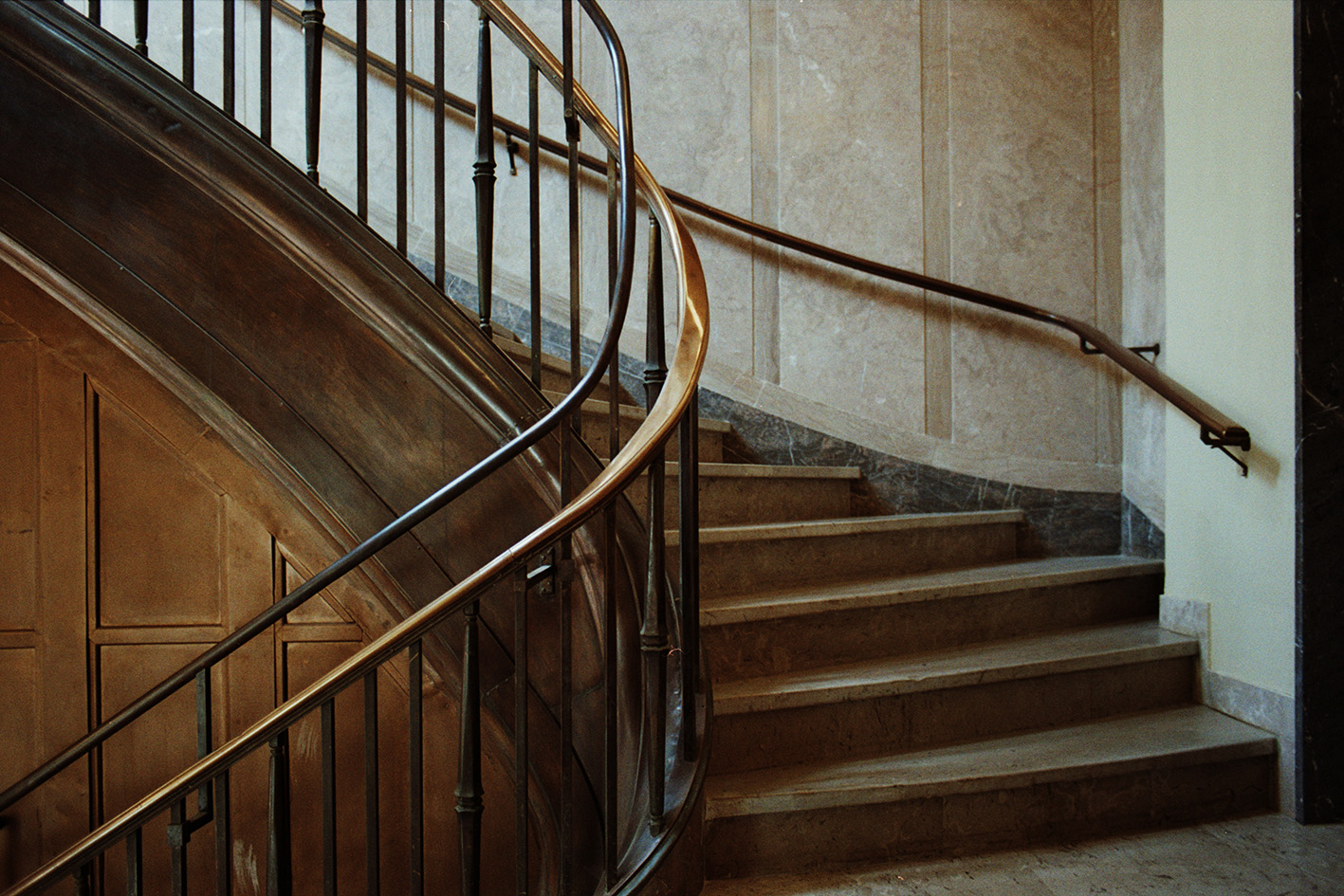
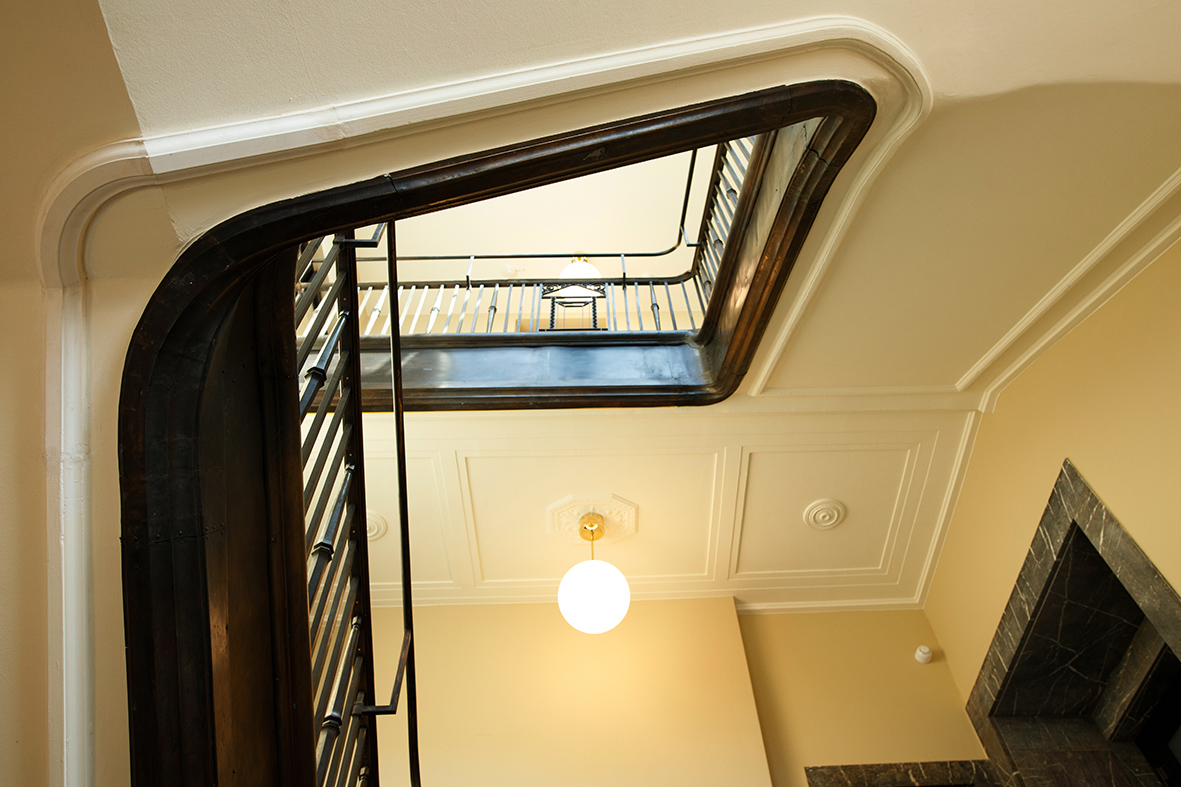
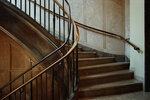
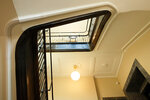
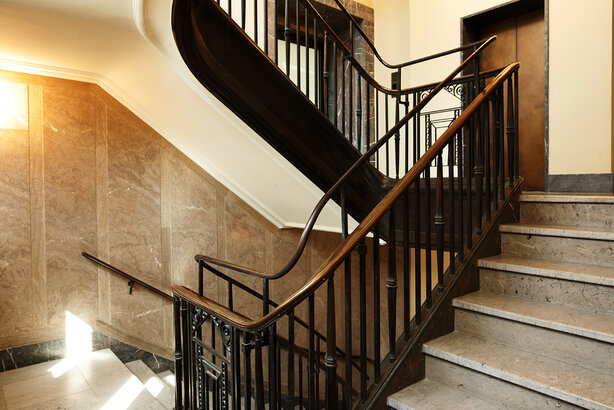
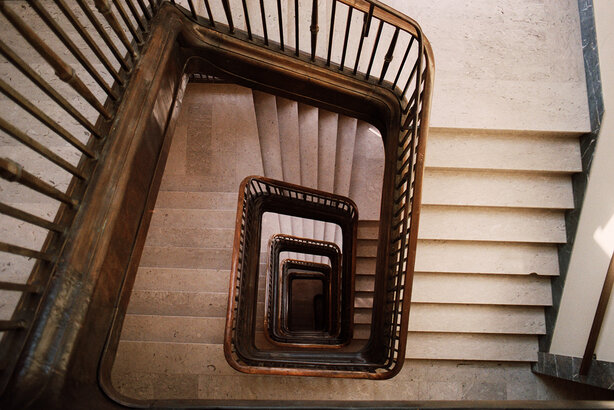
pde’s M&E planning team was involved in this challenging project from the very beginning — from the development of an integrated building services concept through to the final implementation and renewal of all technical systems. Our fire protection department also supported all work stages through to construction and developed a fire protection concept specifically tailored to the existing building fabric. Particular challenges included heritage conservation requirements within the existing central escape staircase and the constraints posed by the historic structure itself.
Client
Augustus Immobilien GmbH & Co. KG
pde period of service
2019 - 2025
Location
Berlin
Work stages
Work Stages 1–8 M&E, Work Stages 1–9 Fire Protection
Dimensions
Approx. 8,000 m² usable floor area
Service areas
M&E Planning, Fire Protection
Efficient space utilisation and construction during ongoing operations
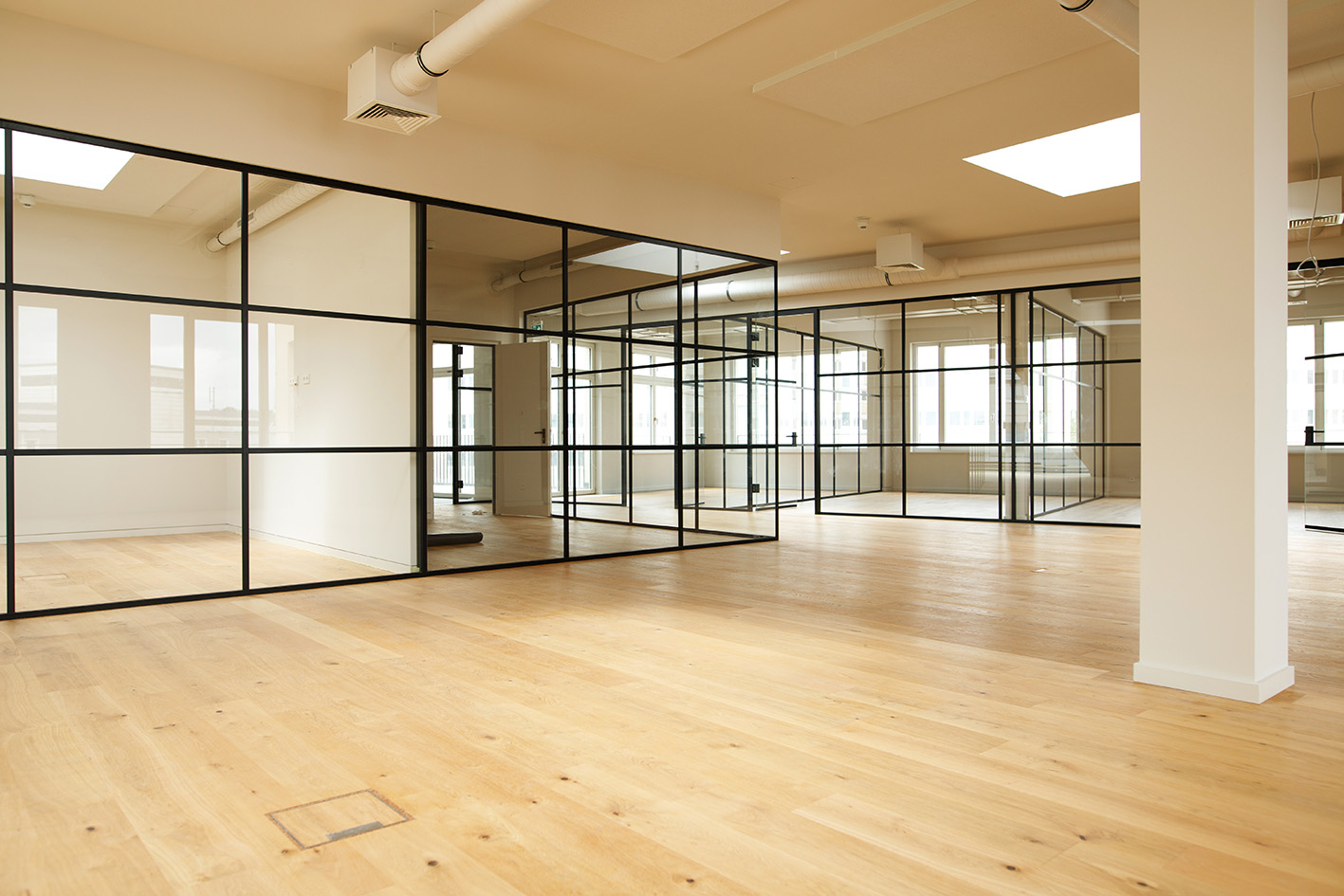
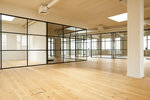
The refurbishment was carried out within a listed building that remained partially occupied throughout the construction period. The objective was to create modern office spaces offering a high level of comfort and an optimised indoor climate.
As part of the core refurbishment works, all technical systems for the mechanical ventilation and cooling of the new office areas were retrofitted. A particularly efficient use of the available space was essential, as no external plant areas were available. Through effective 3D planning, close coordination within the client’s interdisciplinary project team, and cross-disciplinary collaboration with our in-house fire protection specialists, this challenge was successfully overcome.
The required building services infrastructure for ventilation and cooling systems was integrated both within the basement and above suspended ceilings in the tenant areas.
Due to the ongoing operation of the building, temporary fire safety solutions had to be developed in coordination with the approved fire protection inspector to ensure safe escape routes at all times. The close collaboration between the client, the fire protection inspector and the building services teams proved to be a key factor in the successful delivery of the project.
M&E Services
The following services were provided by our M&E team:
- Design of all technical systems as part of the core refurbishment of the listed and partially occupied building
- Development and implementation of interim solutions for occupied tenant areas during refurbishment works
- Work Stages 2–8 for the M&E fit-out across approximately 8,000 m² of usable floor area
- From 2022 onwards: Work Stage 8 services across all floors (basement to sixth floor)
- From 2023 onwards: Additional consultancy services regarding infrastructural measures resulting from neighbouring construction projects within the client’s surrounding property portfolio
- 2023–2024: Phased occupation of the building during completion works
- 2025: Handover of ready-to-occupy rental units
Detailed Scope of M&E Services
- Climate control (heating and cooling) via flush floor trench convectors
- Air conditioning for IT and server rooms using split cooling systems
- Mechanical supply and extract ventilation for all office areas via a central basement plant and decentralised ventilation units within tenant spaces
- New drinking water and wastewater systems
- Lightning protection, access control systems, full-coverage fire detection system and lighting installation
- Pressurisation system for escape routes
- Backup power supply system (battery-based, no diesel generators)
- Modernisation of the heating system
- Solar shading system
- Passenger lift
- Firefighter lift
- Individual room and zone control systems, including building management systems (BMS)
Upgrade of fire safety and building safety systems
Due to the vertical extension of the building and the size of the connected office areas, the building formally falls within the scope of high-rise regulations. In Berlin, however, a specific exemption allows buildings below a height of 25 m (top floor level) to avoid classification as high-rise buildings, provided that special compensatory measures are implemented.
These measures included, in particular, the installation of a firefighter lift with an associated pressurisation system and an appropriate backup power supply. In addition, a full-coverage fire detection and voice alarm system, as well as emergency lighting, were installed to compensate for further deviations from building regulations.
The project stands as an excellent example of innovative planning for the adaptive reuse and modernisation of listed buildings.